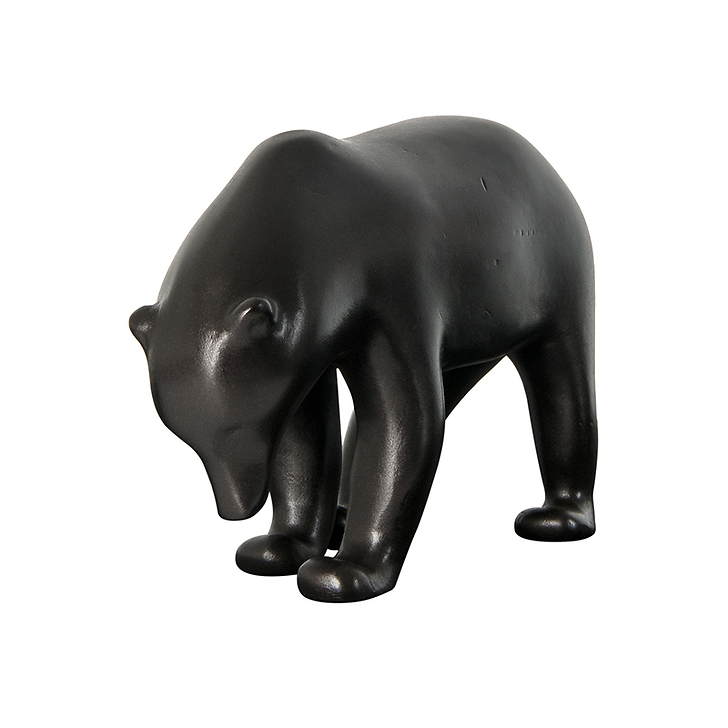
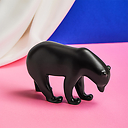
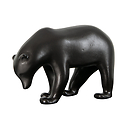
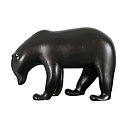
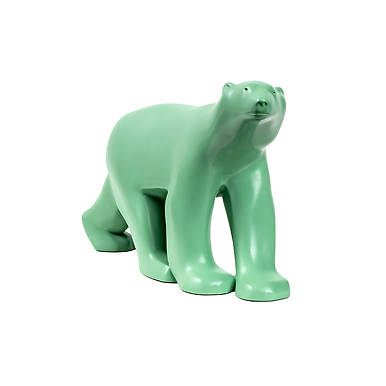
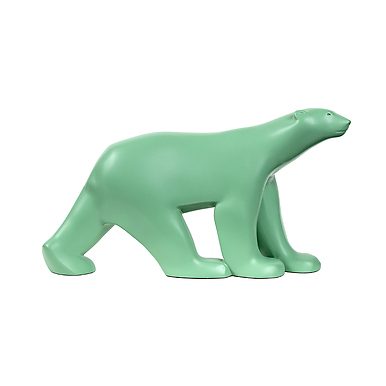
This brown bear sculpture is a hand-patinated reproduction. The mold was made from a cast of the original work on display at the Petit Palais.
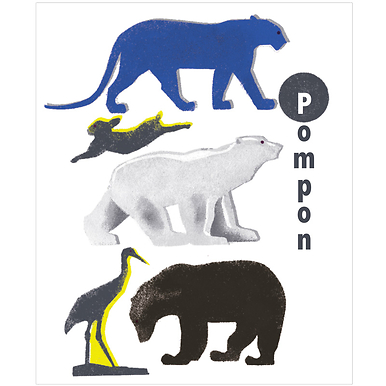
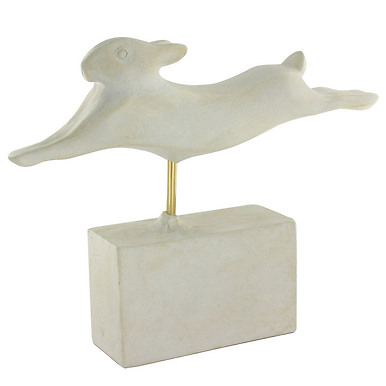
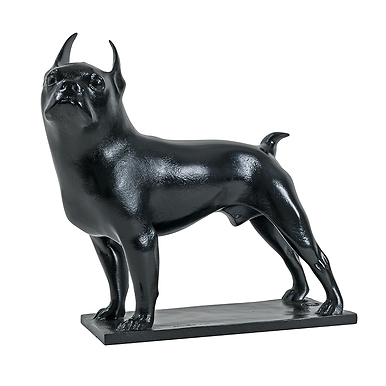
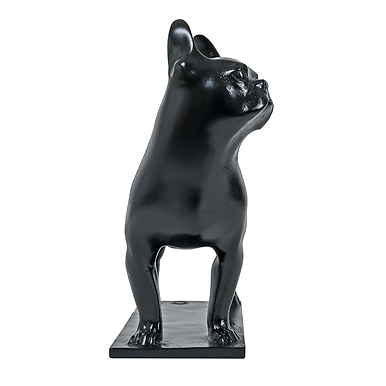
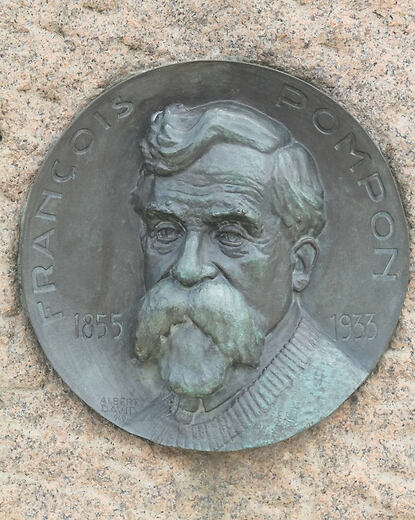
François Pompon developed an animal-themed body of work by observing the animals at the Jardin des Plantes zoo.
In contrast to Rodin's expressionism, he simplified forms to the utmost by stripping away the anecdotal and highlighting the essence of his subjects. The artist thus succeeded in capturing the bear's characteristic movement while imbuing it with a timeless quality.
Learn more about the artwork
The original bronze sculpture of the brown bear
François Pompon created the model of the brown bear between 1918 and 1926. This work exists in several versions: a plaster cast preserved at the Musée d'Orsay, followed by bronze editions produced by the foundries Hébrard starting in 1922 and Valsuani between 1923 and 1933. Only a few copies of this model are known to exist, attesting to the rarity of this piece, which chronologically precedes his iconic white bear.
The White Bear and the Polar Bear: Pompon's Iconic Works
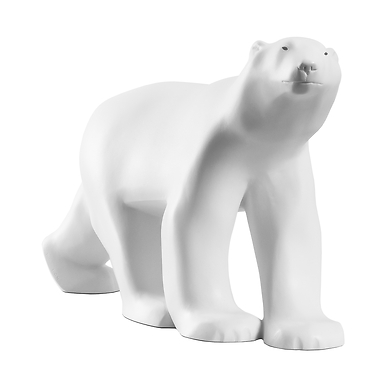
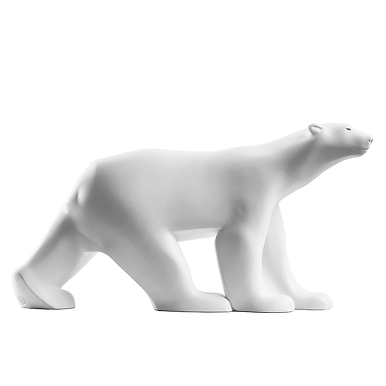
The brown bear marks a decisive step in Pompon's artistic evolution toward the simplification of forms, an approach that would culminate in the white bear presented at the 1922 Salon d'Automne. This depiction of the polar bear remains his most famous work and would finally earn him public recognition at the age of 67. Pompon meticulously observed live animals at the National Museum of Natural History, located in the Jardin des Plantes, refining his eye to capture the essence of each species. This method of direct observation allowed him to capture anatomical accuracy while distilling it down to the essentials.
From Dijon to the Musée d'Orsay: Where to See the Originals
The Musée d'Orsay houses the plaster cast of the brown bear, created between 1918 and 1926, which entered the collection through the François Pompon bequest in 1933. The Petit Palais in Paris also houses works by the artist, including the original cast that served as the reference for current reproductions. In Dijon, the Museum of Fine Arts holds the most comprehensive collection, with three hundred pieces bequeathed by Pompon to his hometown, offering an exhaustive overview of his animal-themed work.