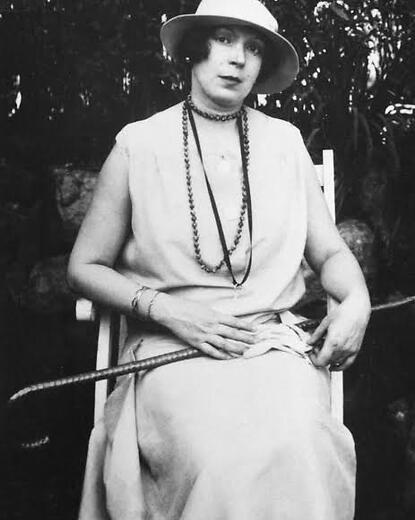
Pioneers. Artists in the Paris of the Roaring Twenties - Exhibition catalogue
EC407907
Written in French.
For a long time marginalized and discriminated against in their training and in their access to galleries, collectors and museums, women artists of the first half of the 20th century nevertheless played a key role in the development of the great artistic movements of modernity. The...
Read more
Written in French.
For a long time marginalized and discriminated against in their training and in their access to galleries, collectors and museums, women artists of the first half of the 20th century nevertheless played a key role in the development of the great artistic movements of modernity. The exhibition "Pioneers. Artists in the Paris of the Roaring Twenties" reintegrates them into this changing art history.
This exhibition presents 40 artists working in painting, sculpture, film and new categories of objects. Well-known artists such as Suzanne Valadon, Tamara de Lempicka and Marie Laurencin rub shoulders with forgotten figures like Mela Muter, Anton Prinner and Gerda Wegener. These women came from all over the world, including other continents where some would later export the idea of modernity: Tarsila do Amaral in Brazil, Amrita Sher Gil in India or Pan Yunliang in China.
Exhibition at the Musée du Luxembourg from March 2nd 2022 to July 10th 2022.
Written in French.
208 pages / 160 illustrations
Éditions Rmn - Grand Palais
Close
Login to see prices
Sold by GrandPalaisRmn