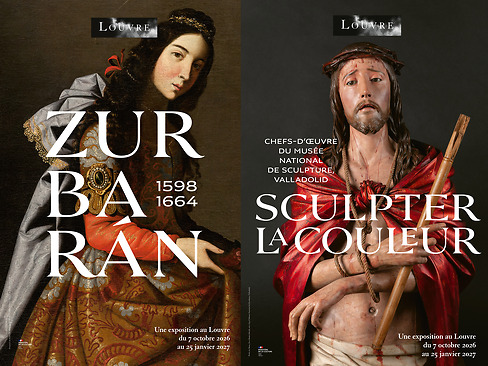
ZURBARAN & SCULPTING COLOUR
October 7, 2026
January 25, 2027
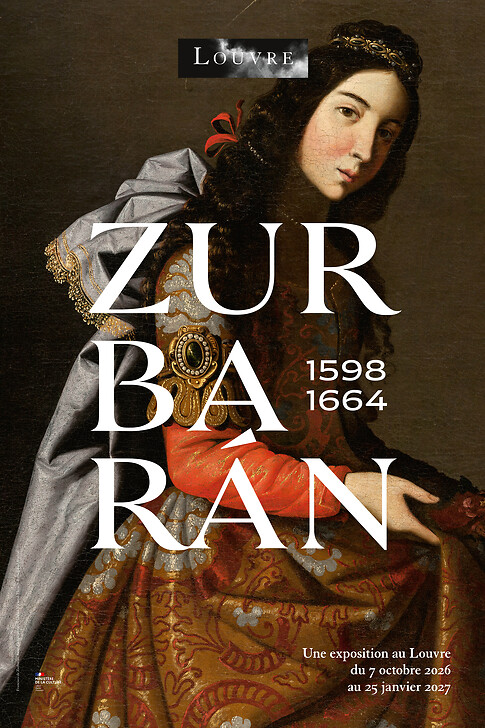
Francisco de Zurbarán,
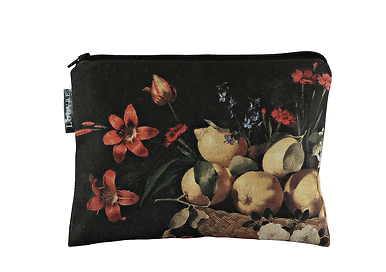
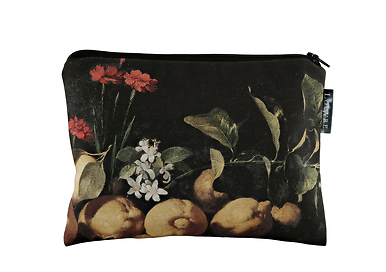
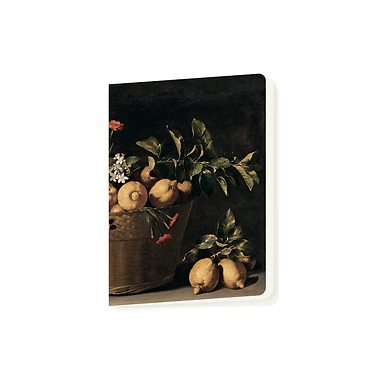
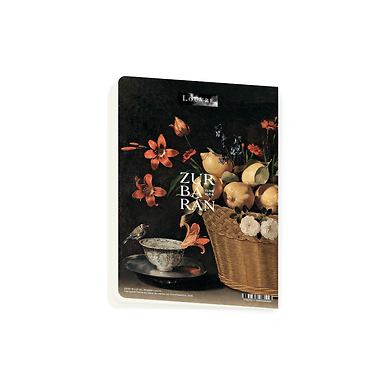
along with Diego Velázquez and Bartolomé Esteban Murillo, is considered one of the greatest Spanish painters of the 17th century. At first considered a Caravaggista with a focus on monastic ascetism, he was gradually recognised in the 20th century as a prodigious colourist and celebrated for his distinctive personal style, which married a simple treatment of volumes with striking naturalism. Though Zurbarán has been the subject of numerous exhibitions over the last ten years, the last large-scale international presentation to focus on his work had been the joint exhibition Zurbarán, mounted by the Metropolitan Museum of Art and the Grand Palais in 1987-1988. Now, the National Gallery, London, the Musée du Louvre and the Art Institute of Chicago have joined forces to offer their visitors a retrospective that allows them to revisit Zurbarán's paintings (or discover them for the first time), to better understand his work and to stand in awe of the modernity and visual power of his compositions.
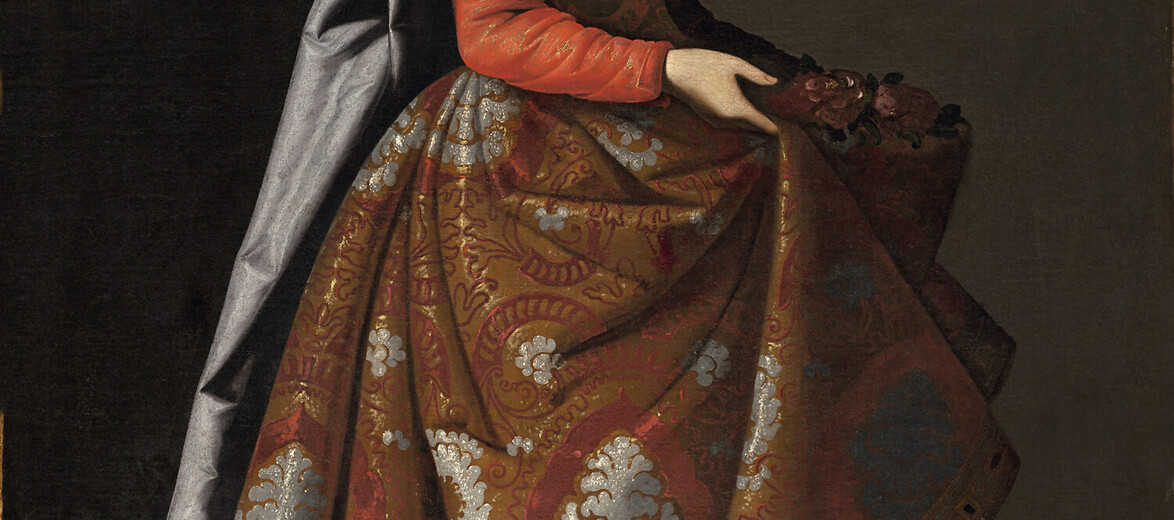
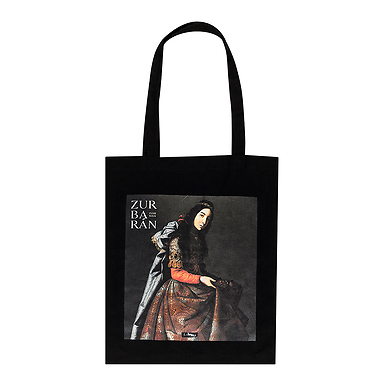
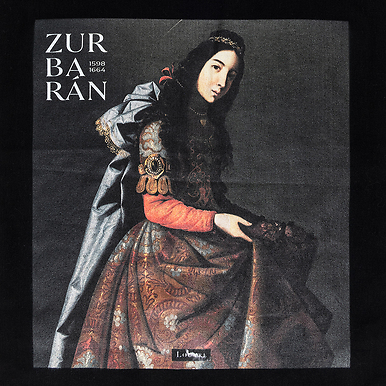
Francisco de Zurbarán, Sainte Casilda © Museo Nacional Thyssen-Bornemisza, Madrid
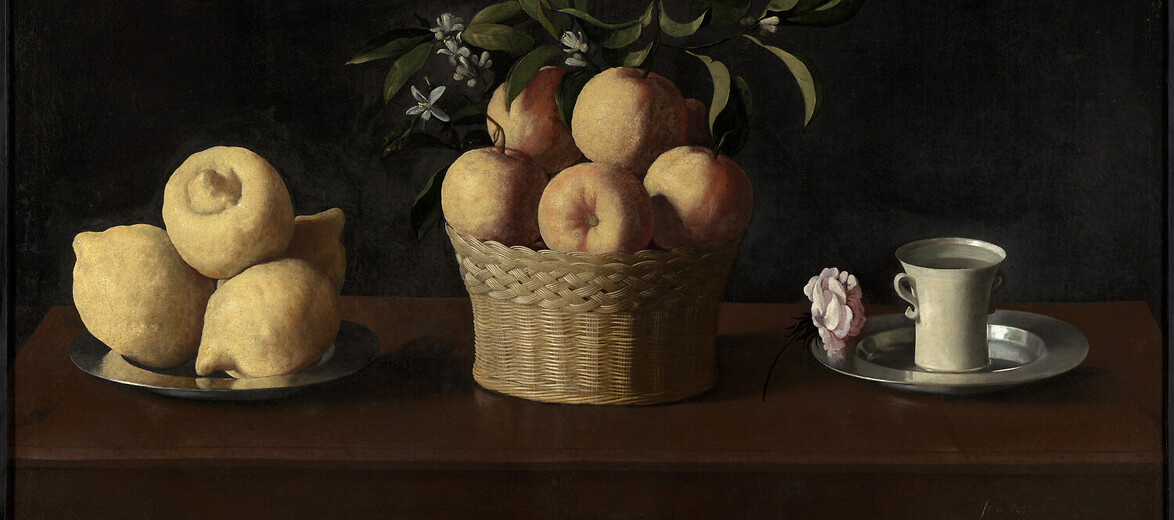
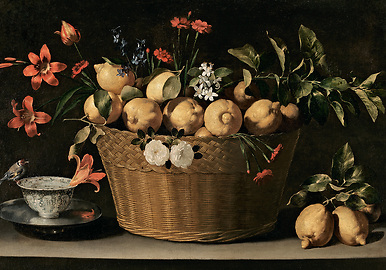
Francisco de Zurbarán, Nature morte aux citrons, oranges avec une rose © The Norton Simon Foundation
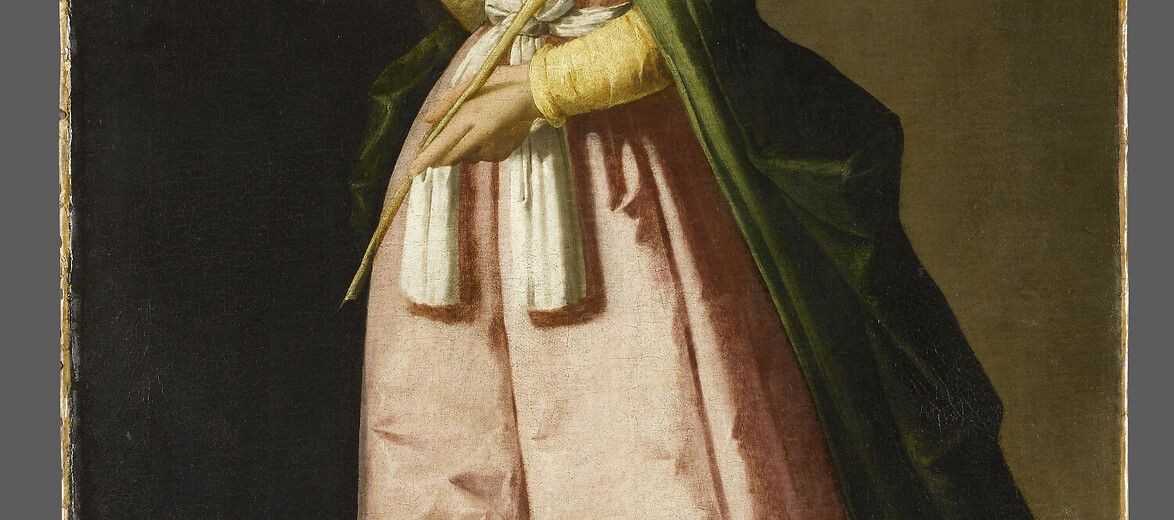
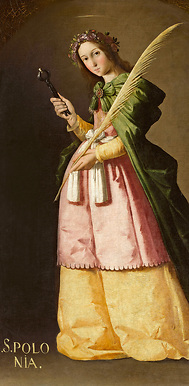
Francisco de Zurbarán, Sainte Apolline © GrandPalaisRmn (musée du Louvre), Stéphane Maréchalle
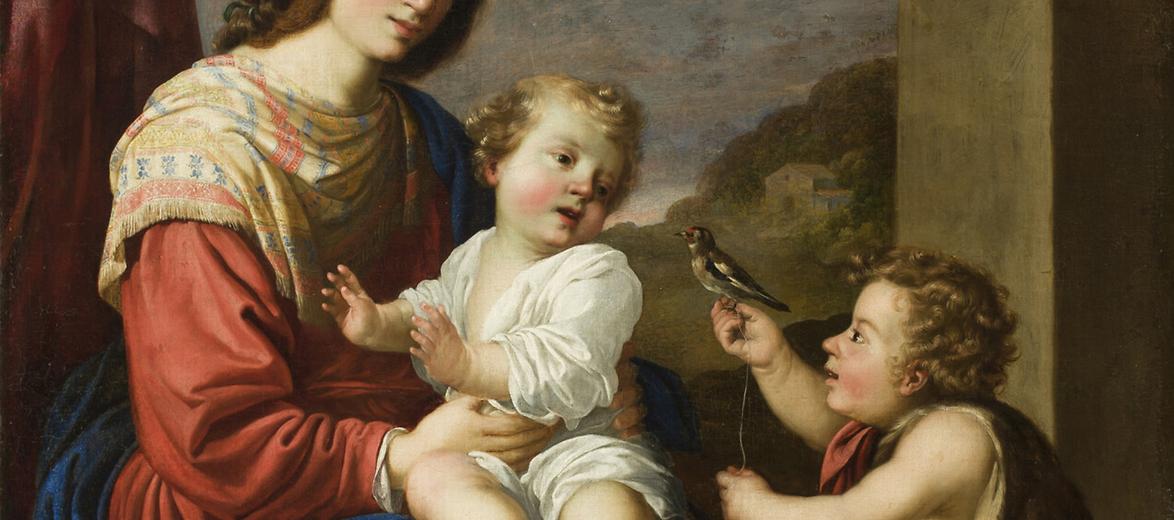
Francisco de Zurbarán, La Vierge et l’Enfant avec saint Jean Baptiste © The San Diego Museum of Art
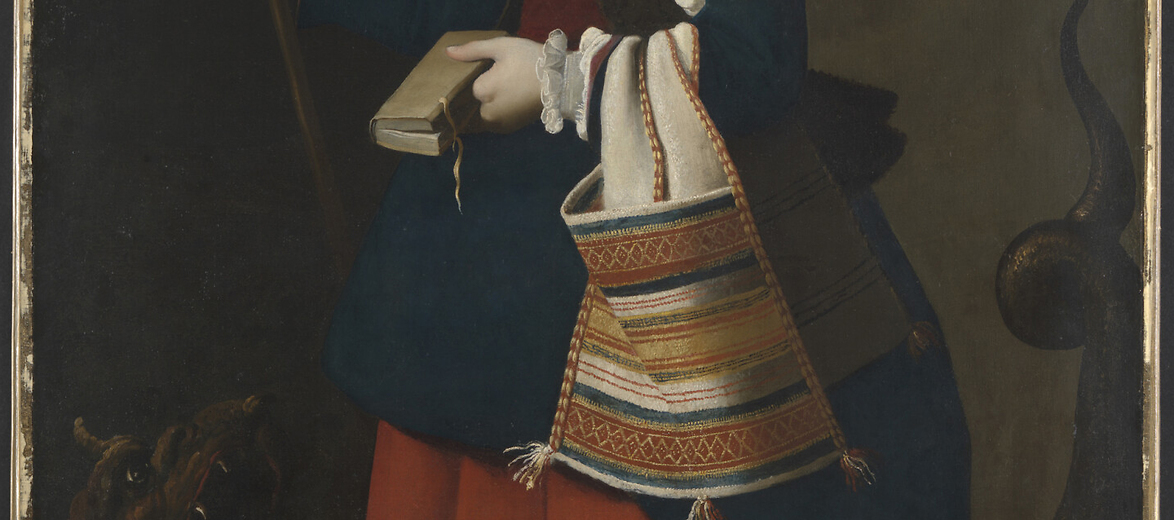
Francisco de Zurbarán, Sainte Marguerite d’Antioche © The National Gallery, London
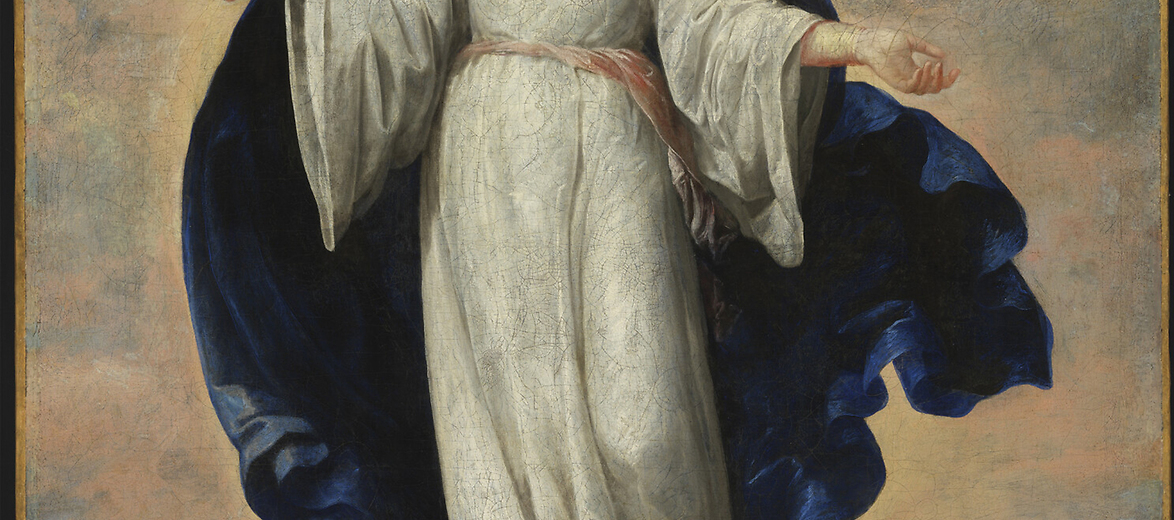
Francisco de Zurbarán, Immaculée Conception © Szépművészeti Múzeum-Museum of Fine Arts, Budapest
Sculpting Colour
presented at the same time and in the same space as the exhibition on the painter Francisco de Zurbarán (1598-1664), and with collaboratively designed scenography, invites visitors to take a close, comparative look at 17th-century Spanish sculpture. The majority of the works to be displayed are religious sculptures of stunning naturalism in polychrome wood, allowing visitors to better understand the cultural and religious context in which the great Spanish painters of the same period (such as Zurbarán, Velázquez and Murillo) produced their works - a period in which painting and sculpture were closely linked.
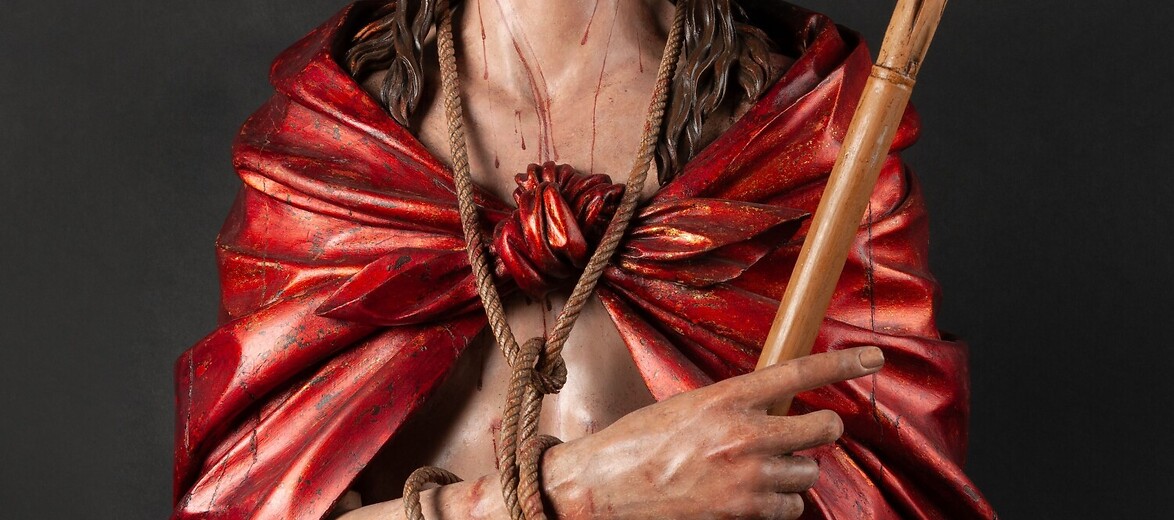
Pedro de Mena, Ecce Homo © Museo Nacional de Escultura, Valladolid
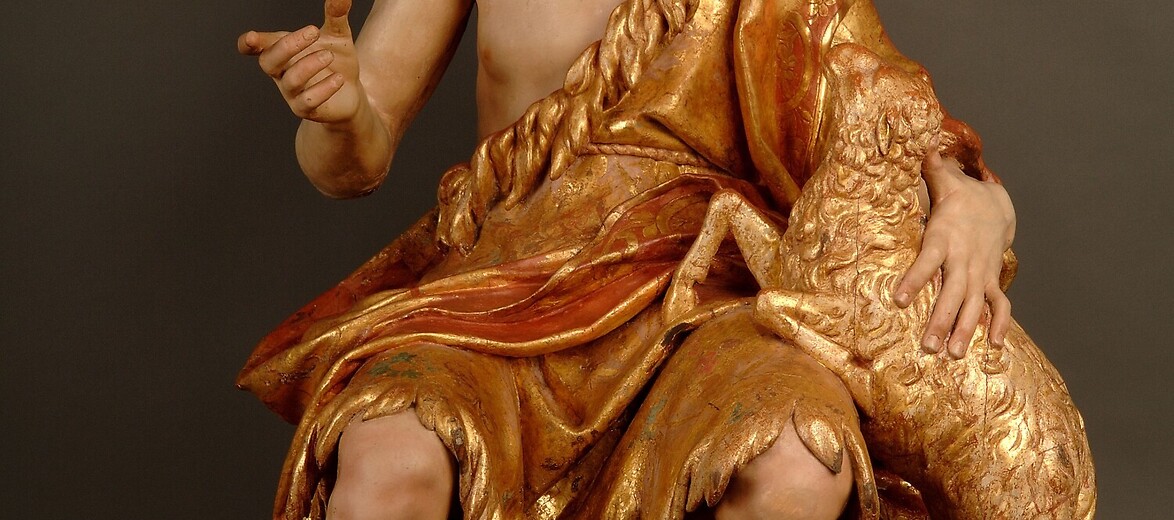
Alonso Cano, Saint Jean Baptiste © Museo Nacional de Escultura, Valladolid
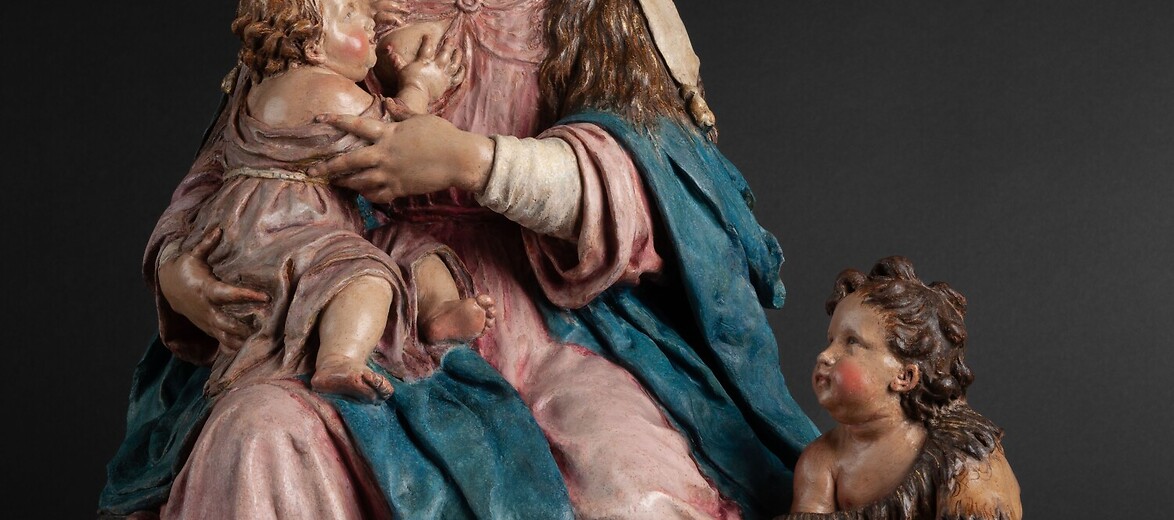
Luisa Roldan, Vierge à l'Enfant avec saint Jean Baptiste © Museo Nacional de Escultura, Valladolid
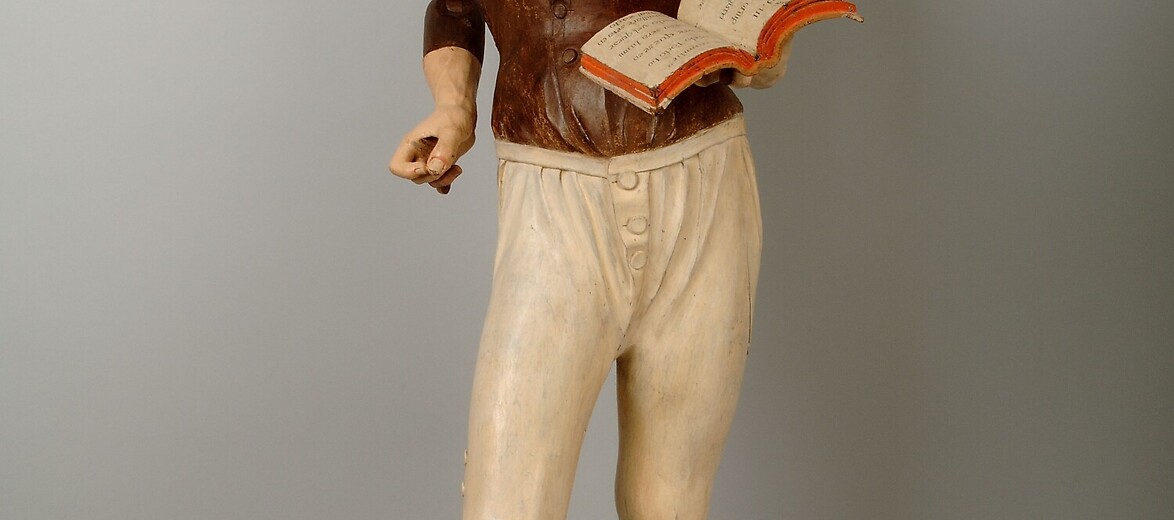
Benito Silveira, Saint Antoine abbé © Museo Nacional de Escultura, Valladolid
Filters
{{ keyword }}
Excluded:{{ excludedKeyword }}
{{ summary.label }}
{{ selectedFilter.label }}
Excluded:{{ excludedFilter.label }}
13 products
Sort by: