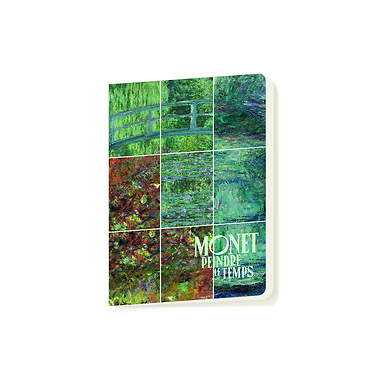
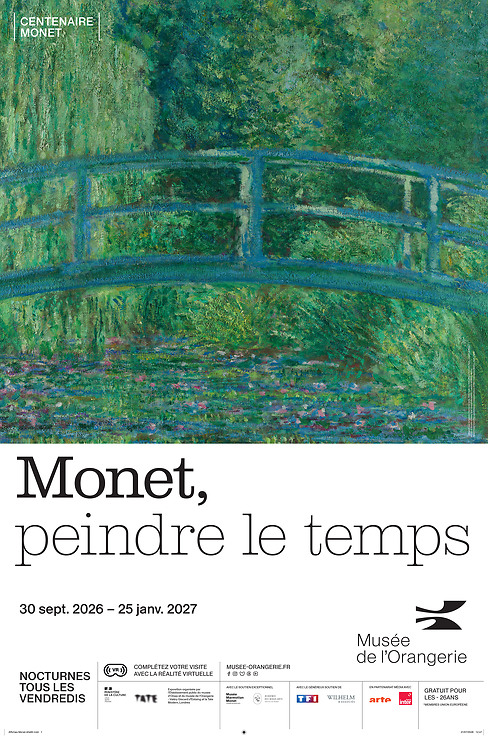
Monet, painting time
September 30, 2026
January 25, 2027
Fine Books
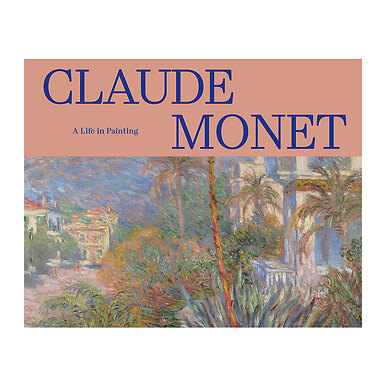
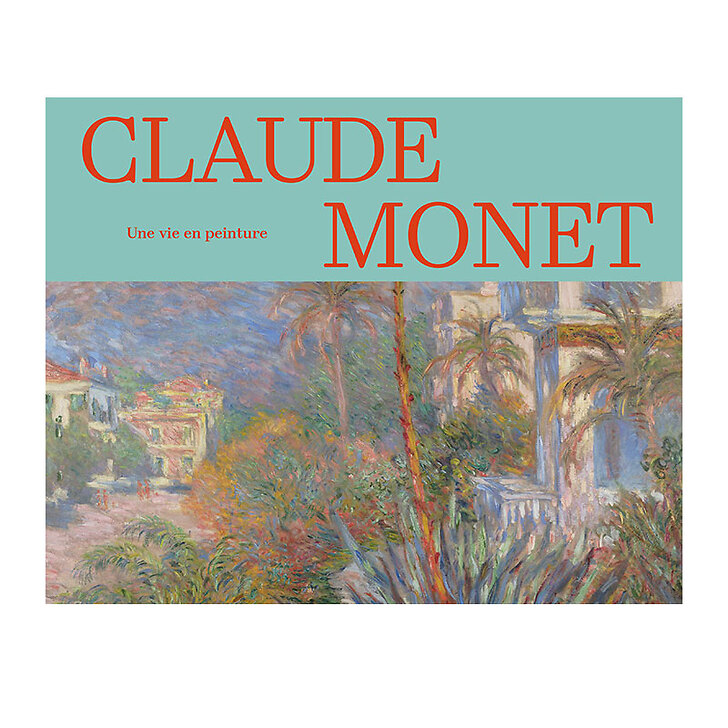
Claude Monet. Une vie en peinture - Collections des musées d'Orsay et de l'Orangerie
GB198253

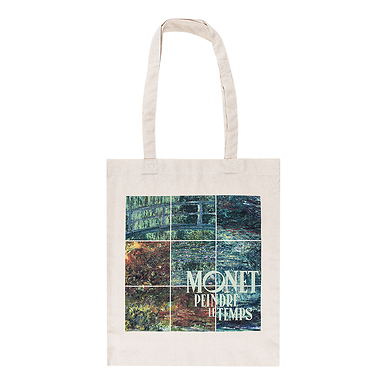
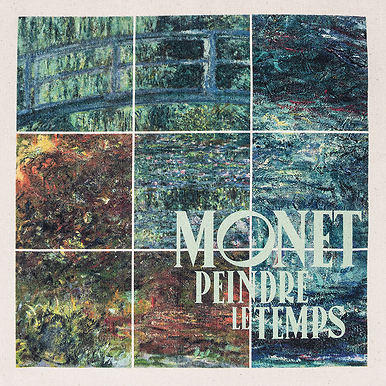
The Musée de l'Orangerie is organizing an exhibition focusing on his body of work's relationship with time.
In the 1870s, he was regarded as the impressionist artist par excellence, even though he only took part in five of the group's exhibitions. His work was not long in becoming synonymous with the "new painting", as it seemed to encapsulate the movement's characteristics to the full (usually practiced in the open air, with rapid brushstrokes and clear harmonies capturing momentary impressions), before culminating in one of its most unusual and remarkable extensions. In the 1890s, with such series as Les cathédrales [The Cathedrals], Les meules [The Haystacks] and Les peupliers [The Poplars], the painter adopted an approach that almost seemed to be dissecting time, until the final testament of the Nymphéas [Water Lilies] series, which solved the seemingly insurmountable problem of fragmentation and so merged into the continuum.
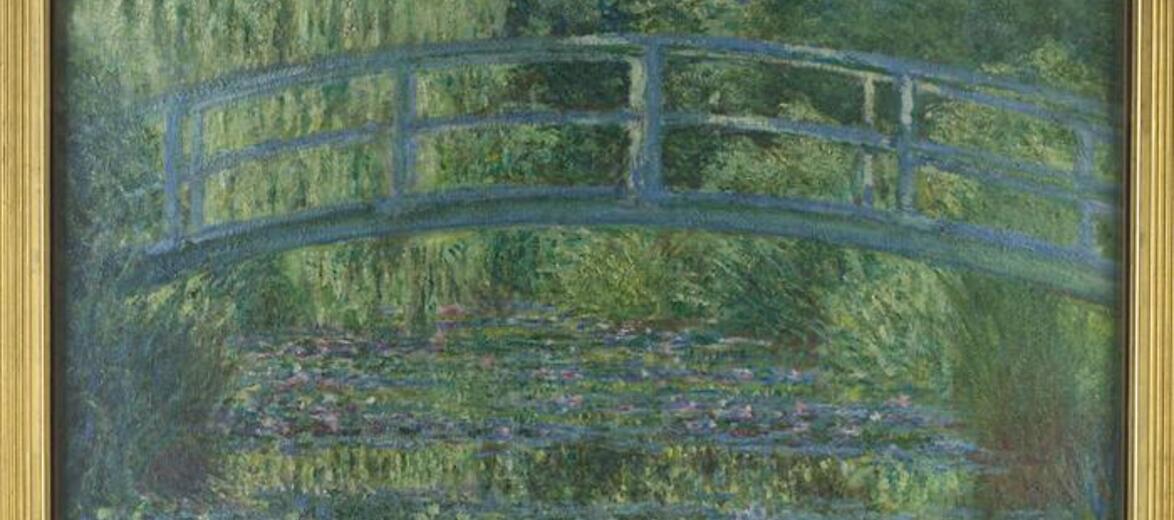
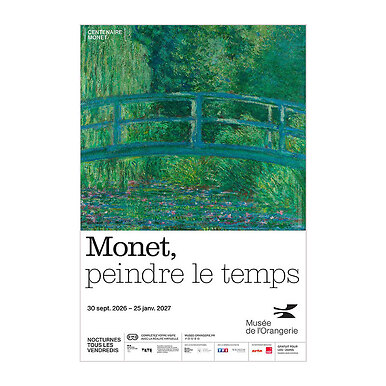
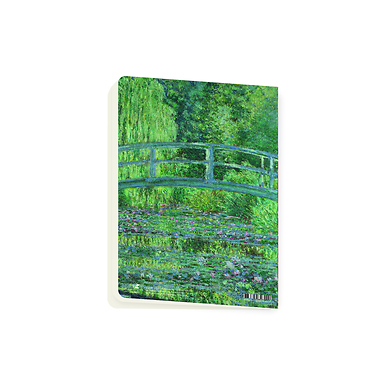
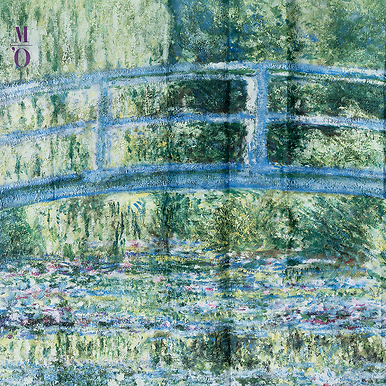
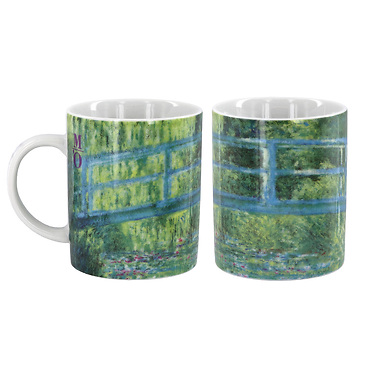
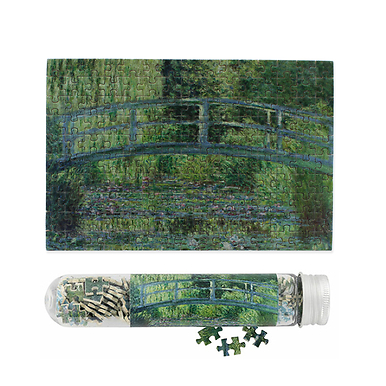
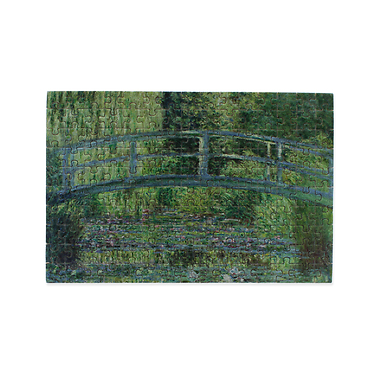
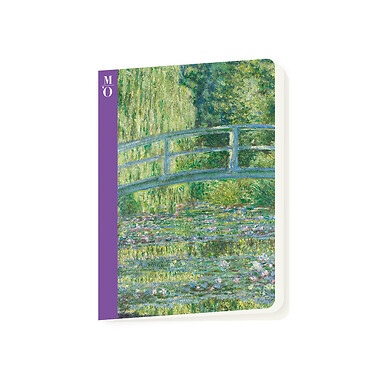
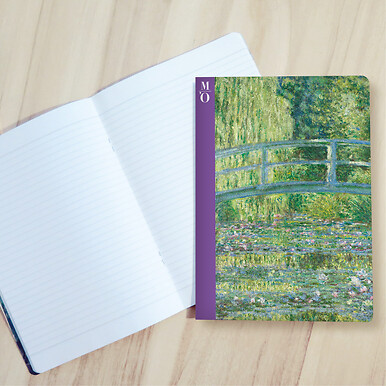
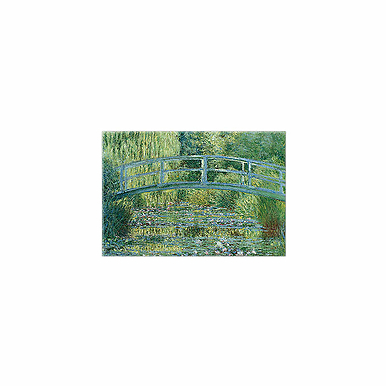
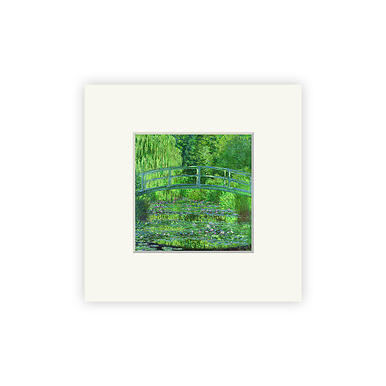
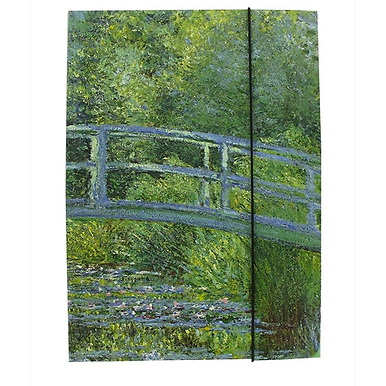
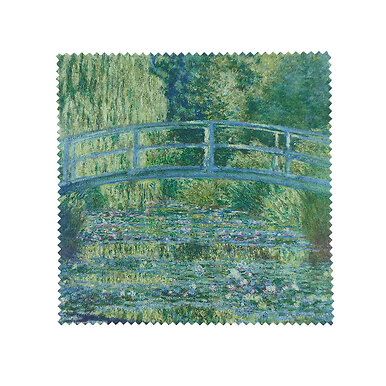
Le Bassin aux nymphéas : harmonie verte © GrandPalaisRmn / Stéphane Maréchalle
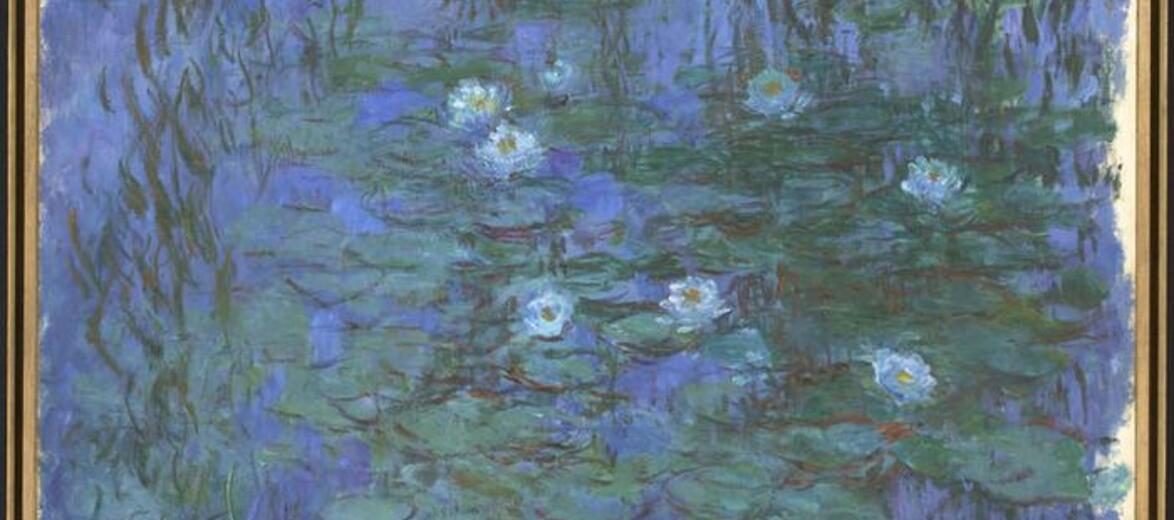
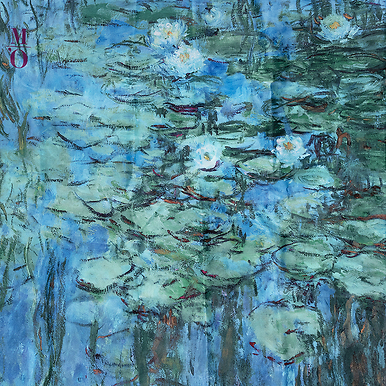
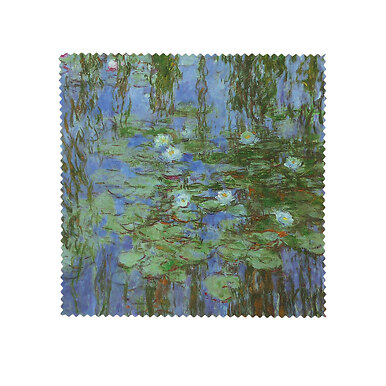
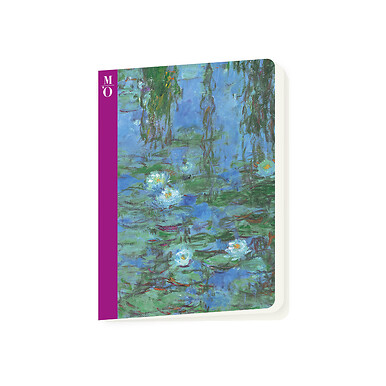
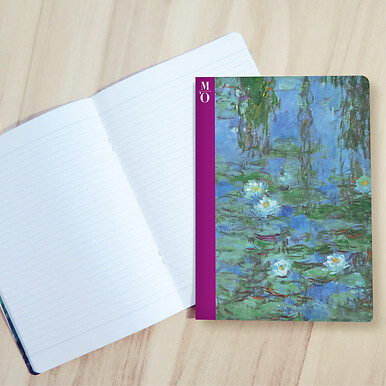
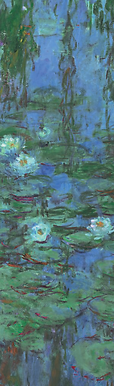
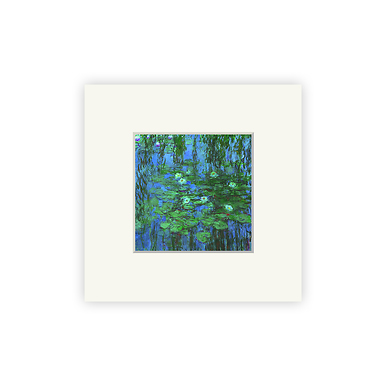
Nymphéas bleus © GrandPalaisRmn / Hervé Lewandowski
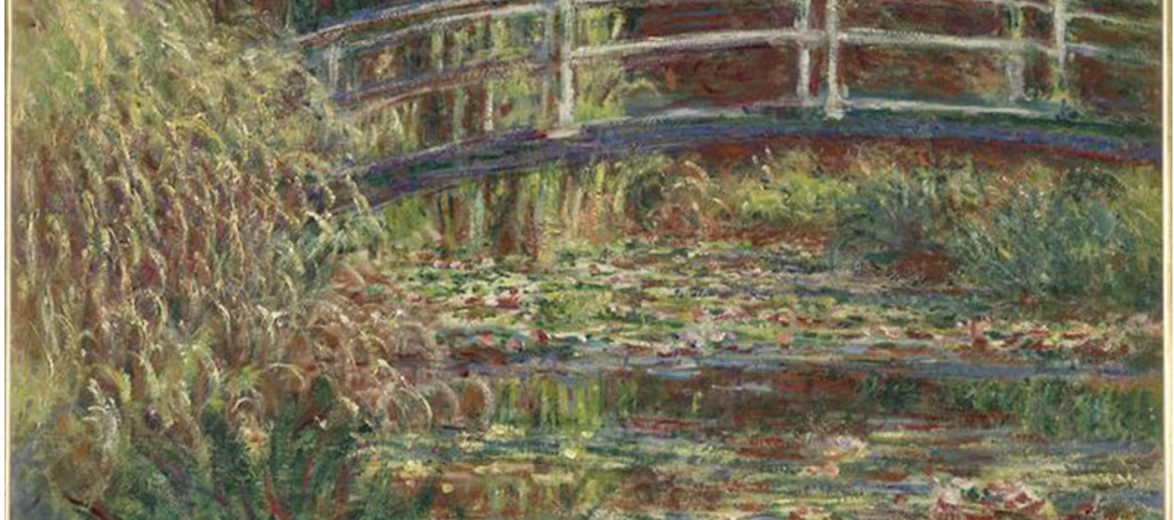
Nymphéas © Art Institute of Chicago, Dist. GrandPalaisRmn / image The Art Institute of Chicago
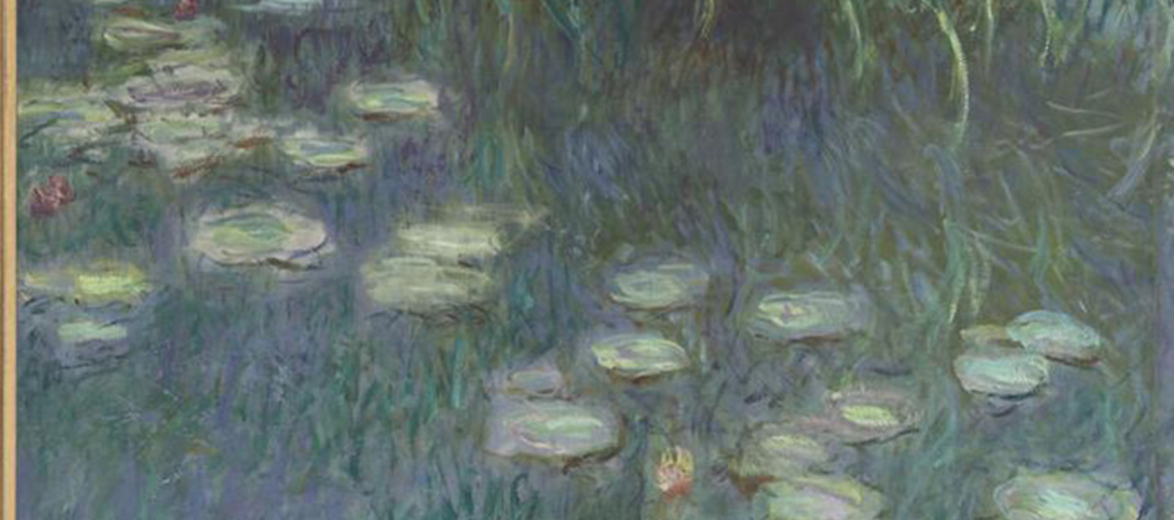
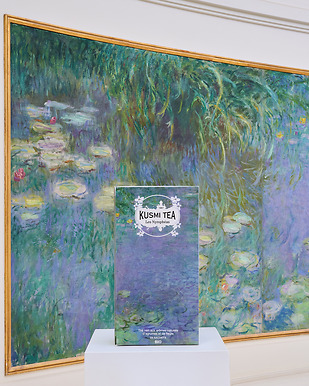
Les Nymphéas : Matin © GrandPalaisRmn / Hervé Lewandowski
Sistine Chapel of Impressionism
It is only natural that the exhibition is to be held in the Musée de l'Orangerie, which houses the imposing Nymphéas decorations. This unique venue, a true "Sistine Chapel of Impressionism" as André Masson described it in 1952, is a testimony to Monet's last work, designed as a real environment and culminating in the Nymphéas cycle. The itinerary will reflect on the sense of acceleration of time, modernity during the artist's impressionist period, the capture of immediacy through series, and finally the Nymphéas cycle, in search of a transcription of duration. Monet developed a form of painting that responded to the challenges and changes of his era, addressing the notion of time from a viewpoint that was both lived and felt but was also tangible through concrete signs of the transformation of urban space and landscape. The 19th century saw increasing numbers of clocks in the public space and the synchronization of measured time, along with a revolution in transport with development of the railway. Hence, echoing this 19th-century revolution in the apprehension of time, Monet's impressionist phase might be described as the period in which he developed a form of painting that sought to capture the fleeting moment to the full.
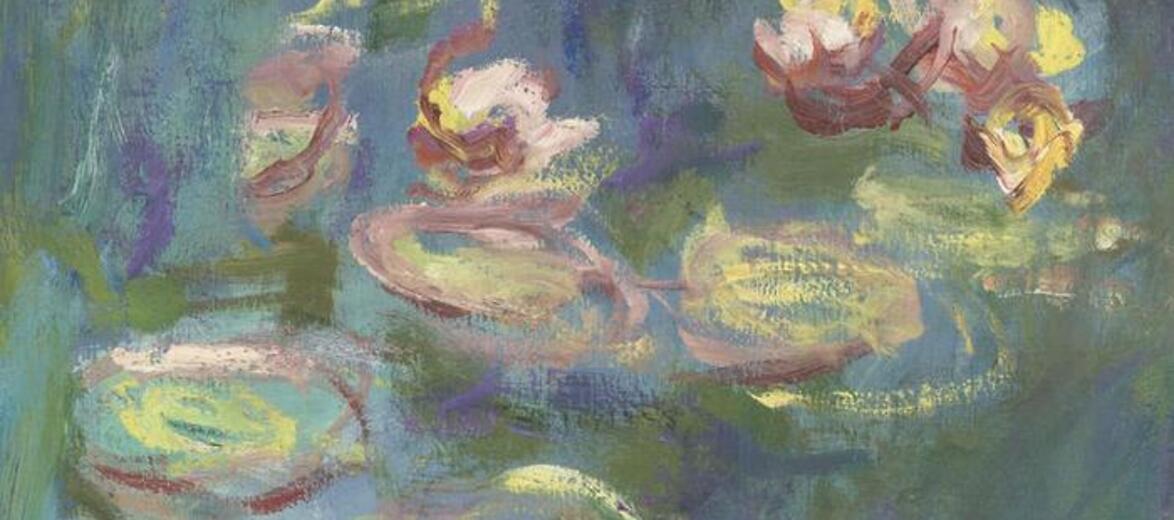
Les Nymphéas : Reflets verts © GrandPalaisRmn / Hervé Lewandowski
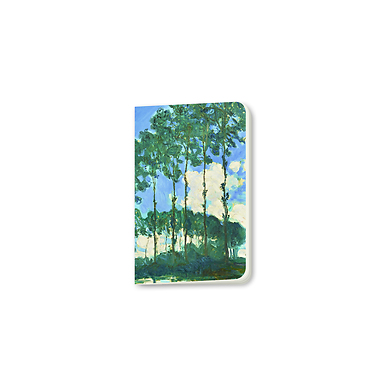
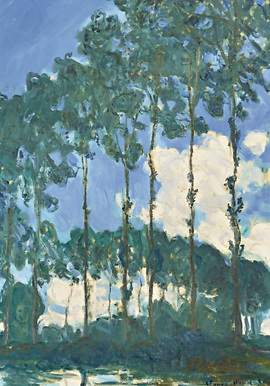
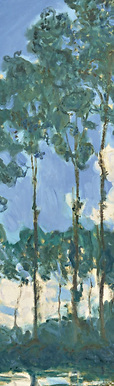
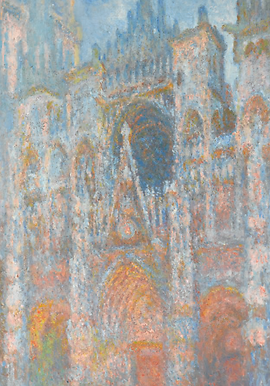
Following the years in which the impressionist exhibitions were held, the artist began to explore the effects produced on one and the same subject at different times of day. It was in Normandy that he finally developed his famous series Les Meules [Haystacks] (1888-1891), Les peupliers au bord de l'Epte [Poplars on the Epte] (1891-1892), Matinée sur la Seine [Morning on the Seine] (1896-1897) and Cathédrale de Rouen [Rouen Cathedral](1892-1898). In these series, the painter's depiction of the moment became an attempt to fragment time in order to better capture its
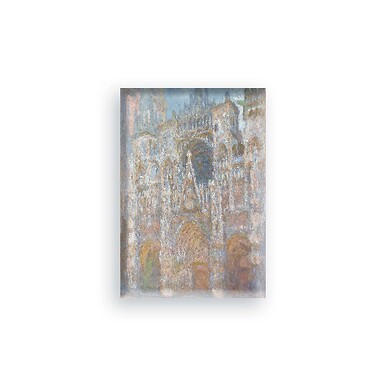
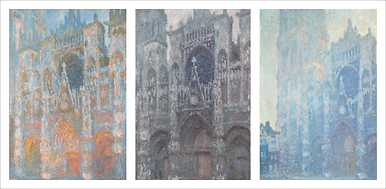
essence. In 1895, Clemenceau compared the Cathédrales de Rouen series, exhibited at the Durand-Ruel Gallery, to "a revolution without a single shot fired" (Clemenceau, "Révolution de Cathédrales", 1895, in La Justice). In this pictorial research, Monet seems to have shared his era's fascination with meticulous and almost scientific observation of the world around it.
Curatorship
Cécile Girardeau, Chief Curator, Musée de l'Orangerie, Paris
Sophie Eloy, Collections Officer, Musée de l'Orangerie, Paris
Exhibition on display:
September 30, 2026, to January 25, 2027, at the Musée de l'Orangerie, Paris
February 25 to June 27, 2027, at Tate Modern, London
Filters
{{ keyword }}
Excluded:{{ excludedKeyword }}
{{ summary.label }}
{{ selectedFilter.label }}
Excluded:{{ excludedFilter.label }}
42 products
Sort by: