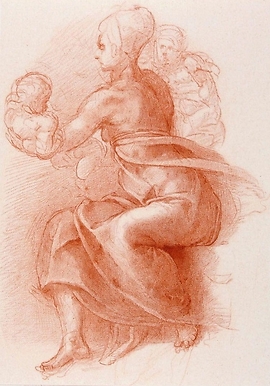
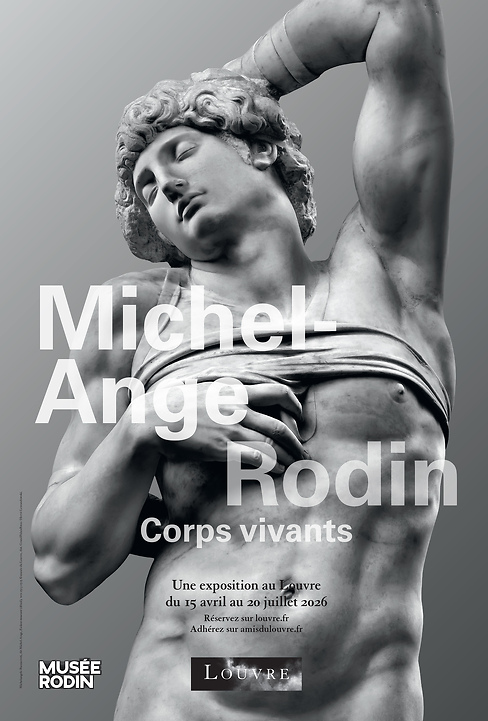
MICHELANGELO AND RODIN. Living bodies
April 15, 2026
July 20, 2026
Exhibition has ended
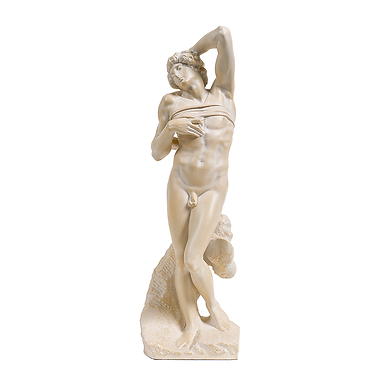
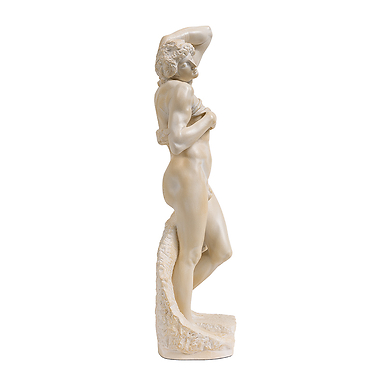
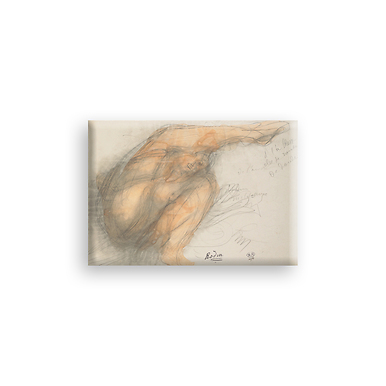
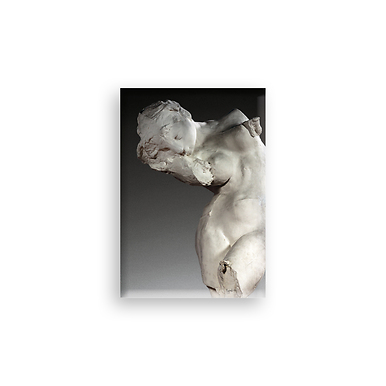
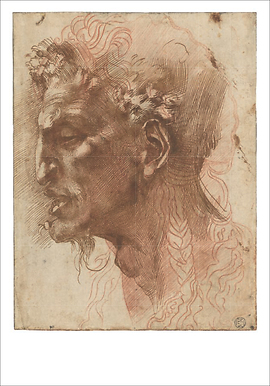
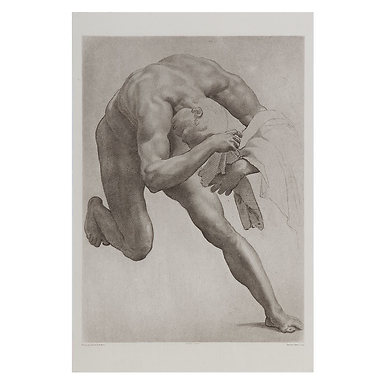
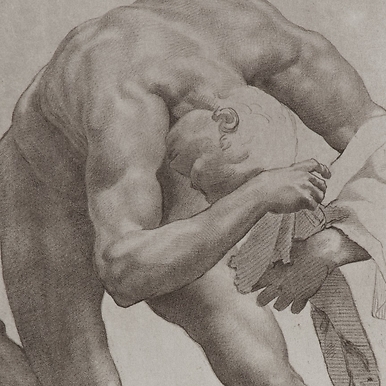
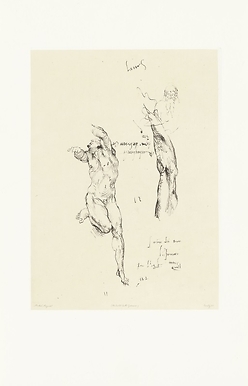
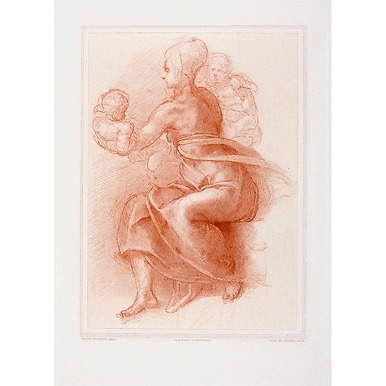
Two names, two monuments of art history: Michelangelo and Rodin. The Hand of God, The Dying Slave, The Kiss, The Gates of Hell... Three centuries apart, these works embody the same conviction: the human body as a place of expression for all the forces of the soul.
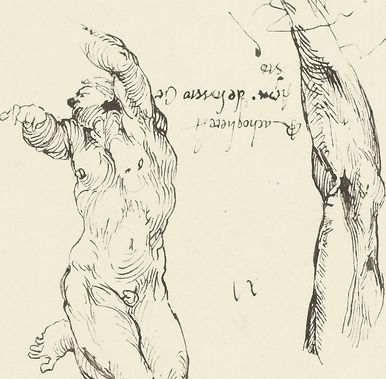
The Louvre Museum is hosting an exhibition bringing together marbles, bronzes, plasters, terracottas, casts, and a rich graphic production in an unprecedented confrontation between these two geniuses. Behind the obviousness of their technical mastery is revealed a common intensity, that of sculpture conceived not as an art of form, but as a living laboratory.
The exhibition is divided into five sections: Two Mythical Artists, Nature and Antiquity, Non finito, Body and Soul, Energy and Life, and traces the deep links that unite these two bodies of work: acknowledged influences, borrowings from antiquity, and daring diversions. It is an invitation to see sculpture in a different light, as a space for questioning and invention that resonates far beyond their century.
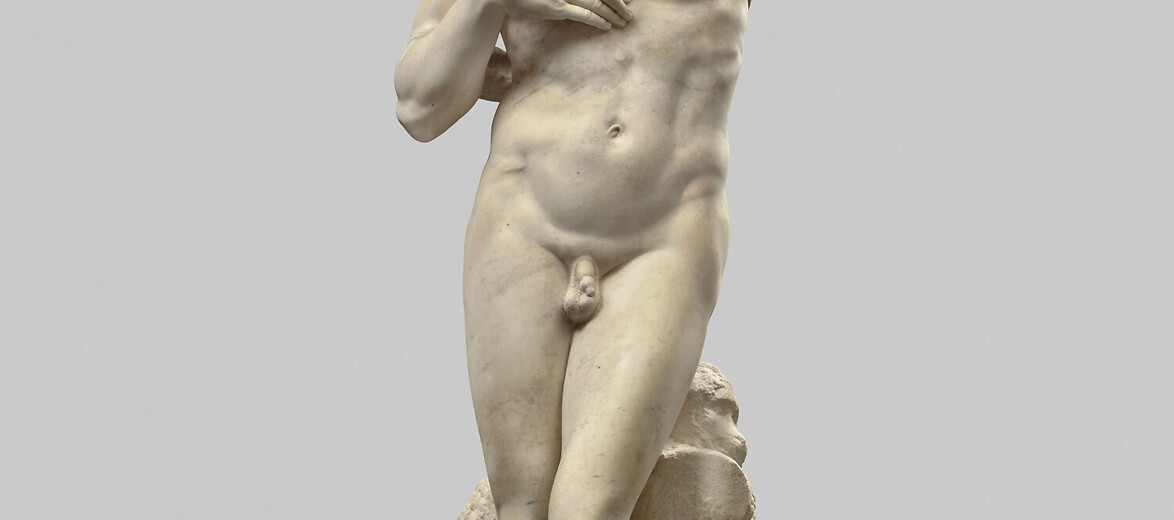
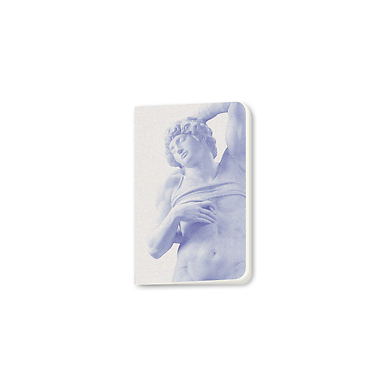
L'esclave mourant. Musée du Louvre © Hervé Lewandowski
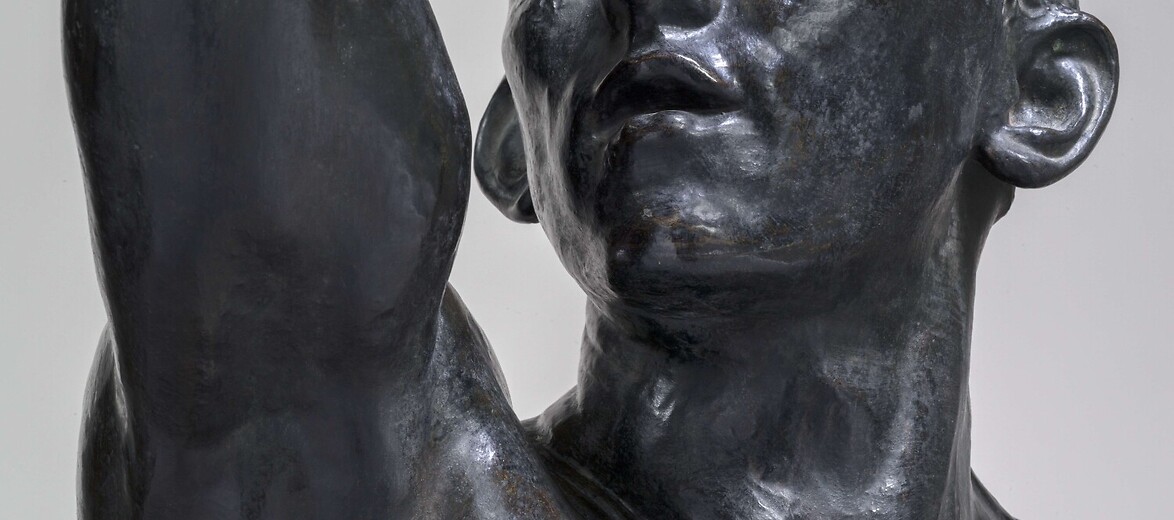
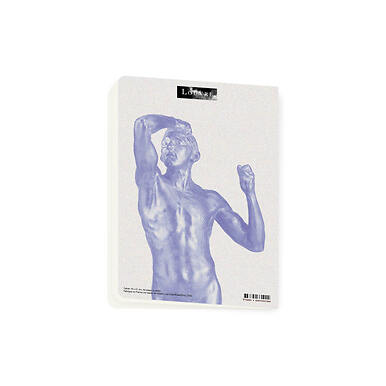
L'âge dairain. Musée Rodin © Christian Baraja
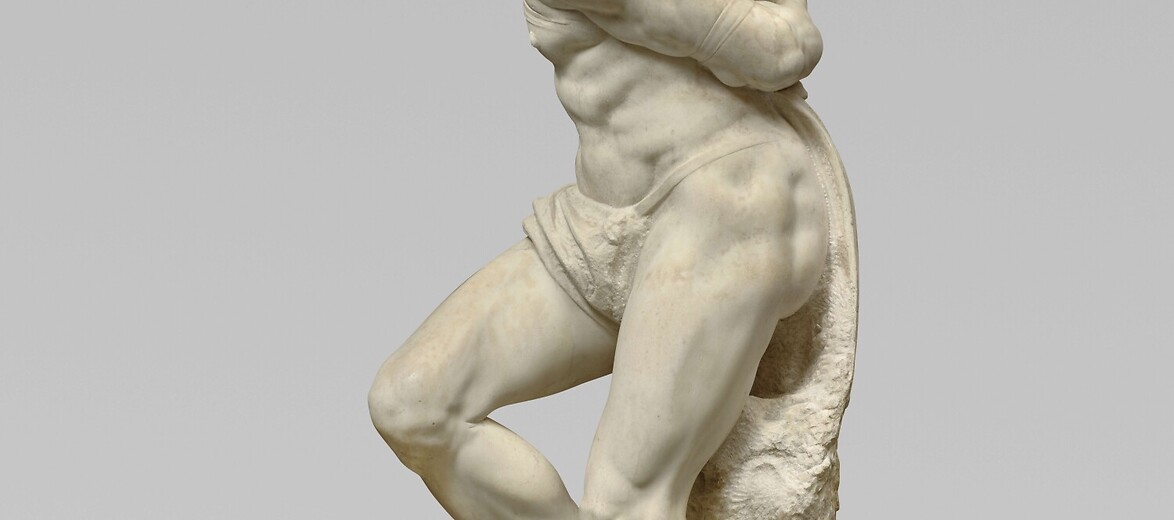
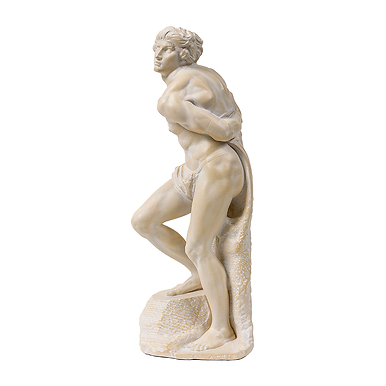
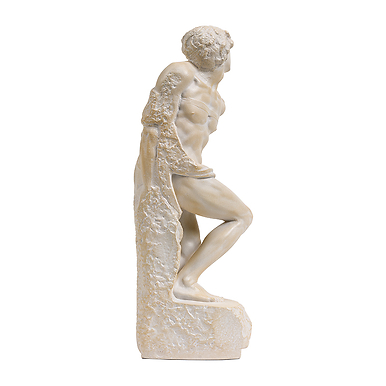
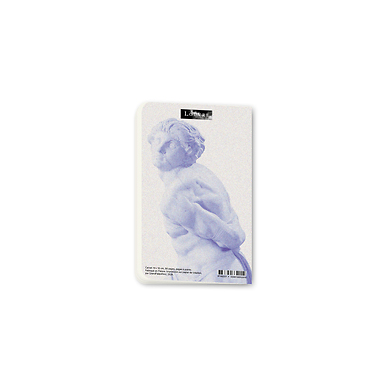
L'esclave rebelle. Musée du Louvre © Hervé Lewandowski
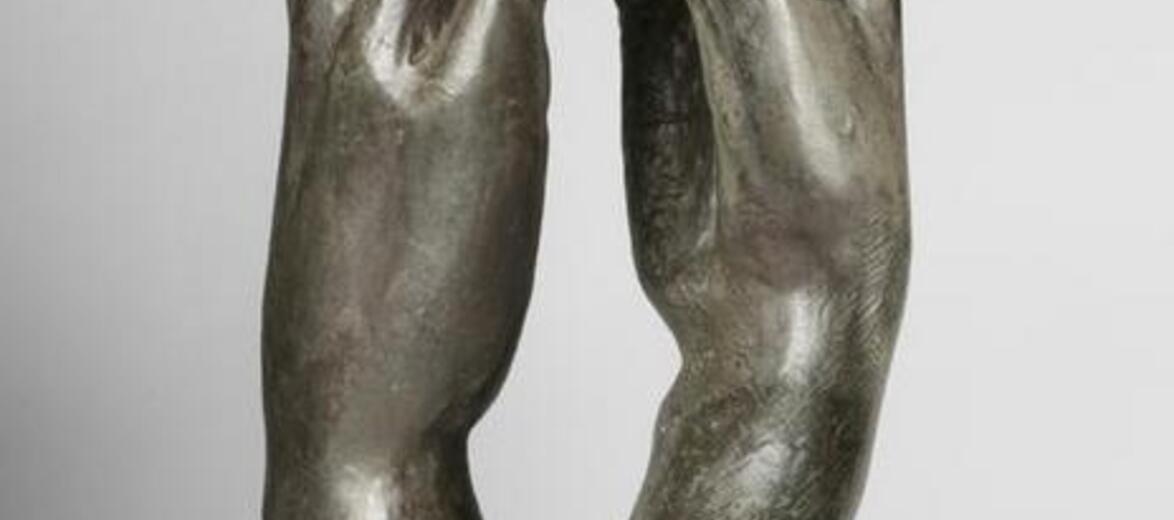
La Cathédrale. © The Philadelphia Museum of Art, Dist. GrandPalaisRmn
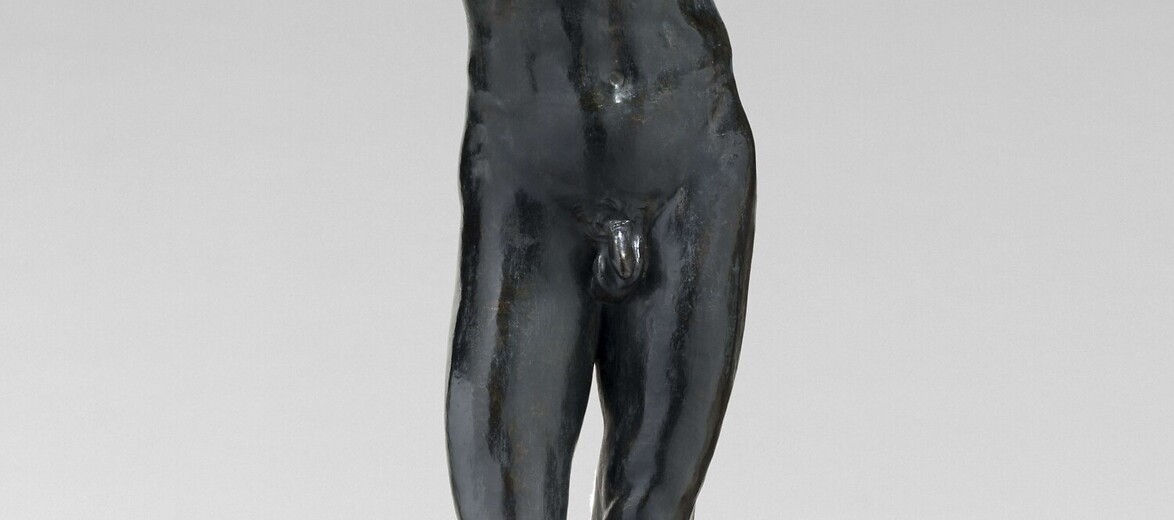
Adam. Musée Rodin © Christian Baraja
Filters
{{ keyword }}
Excluded:{{ excludedKeyword }}
{{ summary.label }}
{{ selectedFilter.label }}
Excluded:{{ excludedFilter.label }}
19 products
Sort by: