New products

View new arrivals

Around current
exhibitions
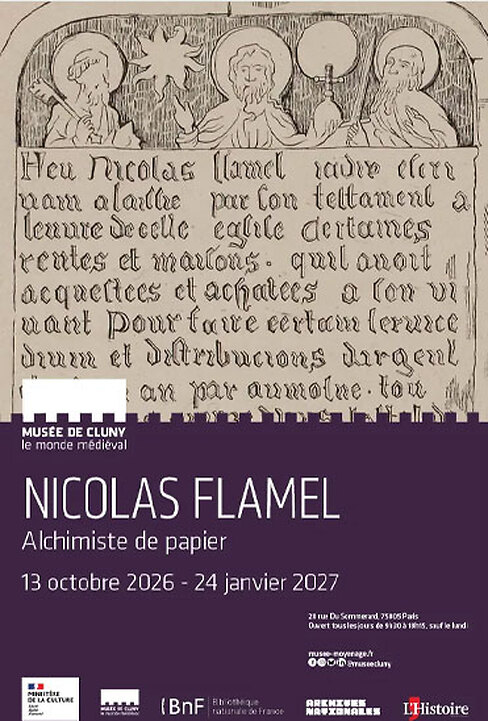
Nicolas Flamel, Alchemist of Paper

13 October 2026 24 January 2027

Visionary alchemist, immortal, magician, keeper of universal secrets... Nicolas Flamel is one of those figures who continue to fuel the imagination. But what is the historical reality behind this fourteenth-century Parisian bourgeois?

The Musée de Cluny - Musée national du Moyen Âge preserves one of the most tangible traces of Nicolas Flamel's existence: his tombstone. Through this epitaph and a selection of archival documents, a different portrait of Flamel emerges-that of a public writer, as well as a generous benefactor to religious and charitable works and a shrewd real estate investor.

There is no mention of the philosopher's stone in these documents, and for good reason. The legend of Nicolas Flamel as an alchemist did not arise until the late fifteenth century, nearly seventy-five years after his death. Over the centuries, the rumor grew, and texts purportedly written by Flamel himself began to circulate. Nicolas Flamel soon became a source of inspiration for artists and creators from all walks of life, right up to the present day, when popular culture has embraced the character.

A figure deeply embedded in Paris's heritage, Nicolas Flamel still embodies the enduring fascination with lost knowledge, the margins of science, and the promises of the invisible. It is all these facets of both the man and the legend that the exhibition explores.

The exhibition has been organised with the special support of the Bibliothèque nationale de France and the Archives Nationales. It benefited from the generous cooperation of the Hôpital des 15-20, which opened its archives to researchers.

The exhibition is supported by The Ruddock Foundation for the Arts

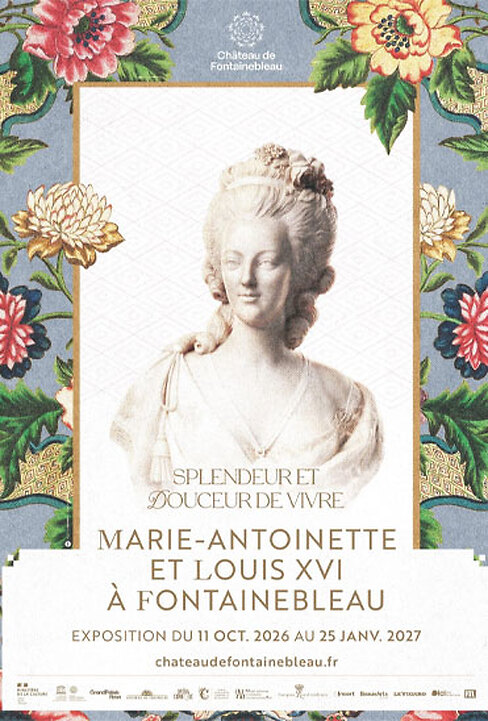
Marie Antoinette and Louis XVI at the Palace of Fontainebleau

11 October 2026 25 January 2027

240 years after their last visit, Marie-Antoinette and Louis XVI are back at the Château de Fontainebleau for a major exhibition organised in collaboration with the Grand Palais Rmn.

Through their many stays there (seven visits between 1774 and 1786), marked by significant political and family events, these sovereigns demonstrated their attachment to Fontainebleau. The remarkable interiors that have been preserved (the Turkish Boudoir, the Silver Boudoir, the Queen's Grand Cabinet, the King's Powder Room, the Salle des Buffets, the Chapel of the Trinity, etc.), created under the direction of the architects Richard Mique, Nicolas-Marie Potain and Pierre Rousseau, still bear witness to this golden age within the château.

More than 120 remarkable works connected with the château (portraits, drawings, sculptures, objets d'art, etc.) have been brought together thanks to loans from some twenty prestigious institutions, both French and foreign (the Palace of Versailles, the Louvre Museum, the Bibliothèque nationale de France, the Gulbenkian Museum in Lisbon...) and offer a glimpse into court life on the eve of the Revolution, with a particular focus on theatre and music.

The result of extensive research, this exhibition highlights the work of the last sovereigns of the Ancien Régime at Fontainebleau.

Exhibition curator: Jean Vittet, Chief Curator at the Château de Fontainebleau.

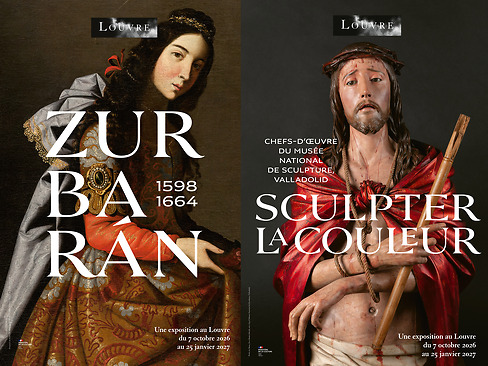
ZURBARAN & SCULPTING COLOUR

7 October 2026 25 January 2027

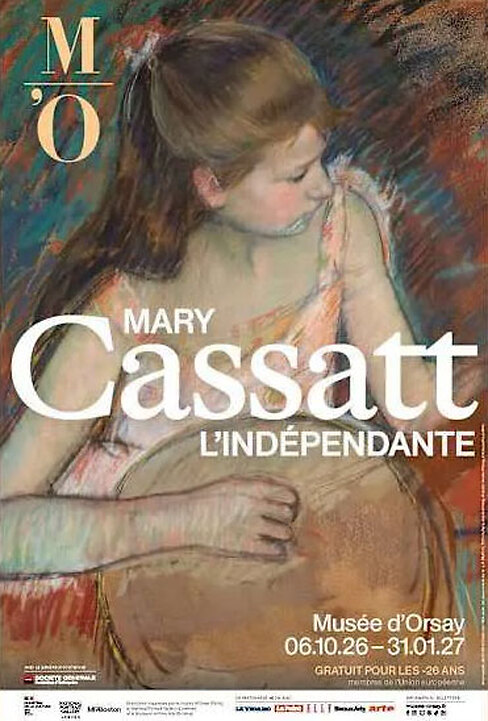
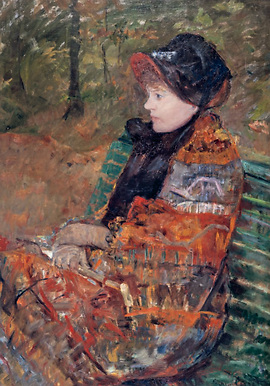
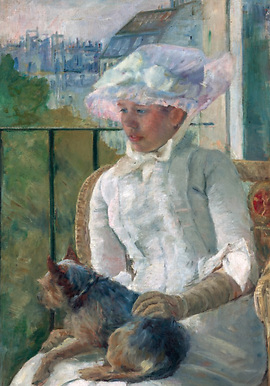
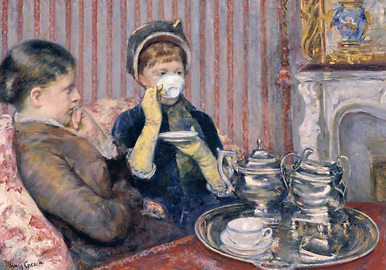
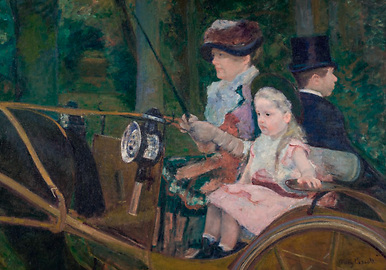
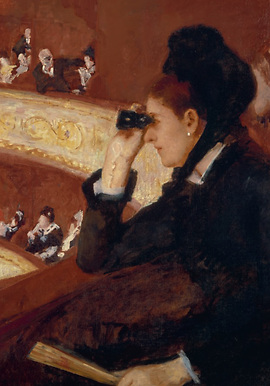
Mary Cassatt Being independent

6 October 2026 31 January 2027

In 2026, in order to mark the hundredth anniversary of the artist's death, the Musée d'Orsay is organizing a major exhibition devoted to Mary Cassatt (1844-1926). In France, this will be a long-awaited event: its national museums have never devoted a major exhibition to Mary Cassatt, an active member and pillar of the impressionist group. Her centenary provides an opportunity to examine the central place occupied by this prominent artist who, through talent and determination, succeed in forging a unique identity in late 19th- and early 20th-century art history, on both sides of the Atlantic.

Comprising almost 80 paintings, pastels and prints, and covering the whole of the artist's career, "Mary Cassatt: L'indépendante / Mary Cassatt: Being independent" opens up new perspectives on her work, drawing on unpublished letters and never before exploited sources. Rarely shown works from public and private European collections will be presented, along with paintings and pastels from American collections seldom exhibited outside the United States.

A selection of Cassatt's early works and portraits of her loved ones shows how the artist's social milieu, travels and knowledge of the art of the past shaped her approach and practice. Making it a point of honor to be independent (originally at her wealthy family's request), she soon set herself up in her own studio and started employing paid sitters. In a largely male environment, and against a background of latent nationalism, she rapidly succeeded in establishing herself as a professional painter. 

Curatorship

Paris

Caroline Corbeau-Parsons, Graphic Arts and Paintings Curator, Musée d'Orsay;

Anne Robbins, Curator of Paintings, Musée d'Orsay;

London

Sarah Moulden, Senior Curator of 19th Century Collections, National Portrait Gallery;

Boston

Erica Hirshler, Croll Senior Curator of American Paintings, Boston Museum of Fine Arts.

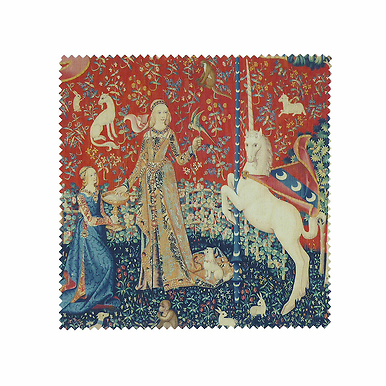
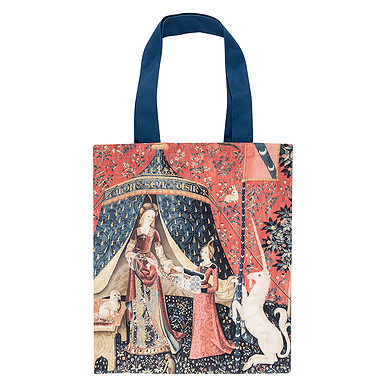
The Lady and the Unicorn

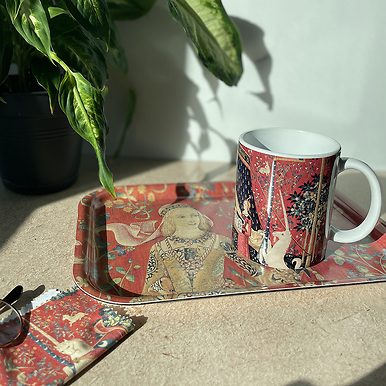
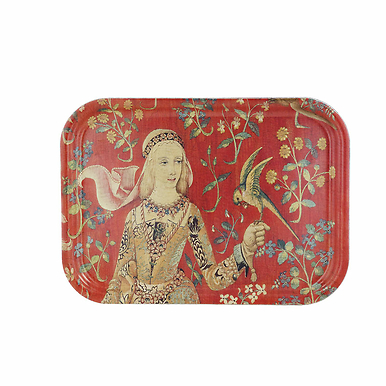
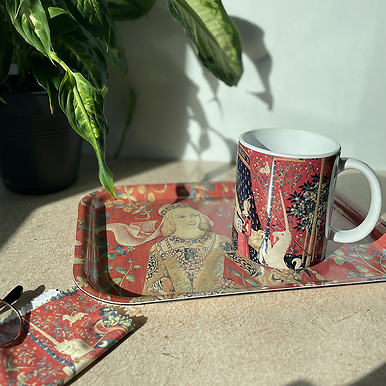
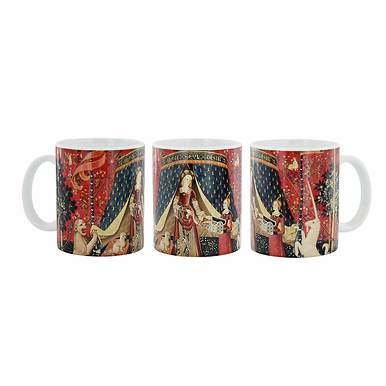
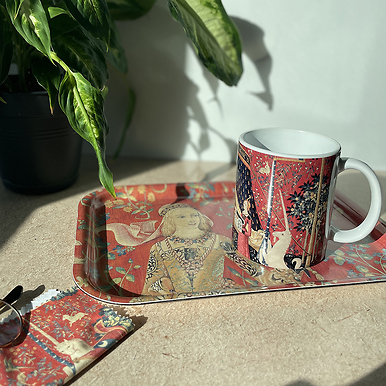
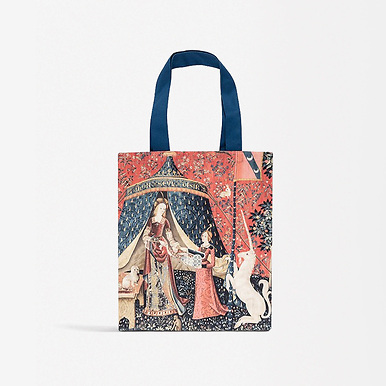
Touch, Taste, Smell, Hearing and Sight... and a sixth piece symbolizing the sixth sense, with a blue tent and the inscription To my only desir. The tapestries that make up the Lady and the Unicorn hanging are among the most famous works in the Musée de Cluny collection.
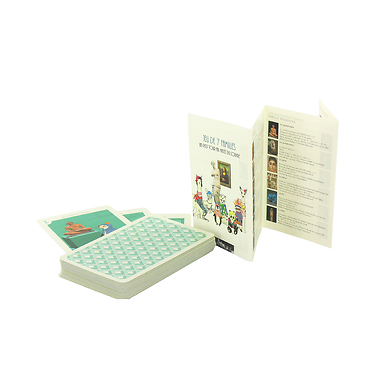
Fun & Learn

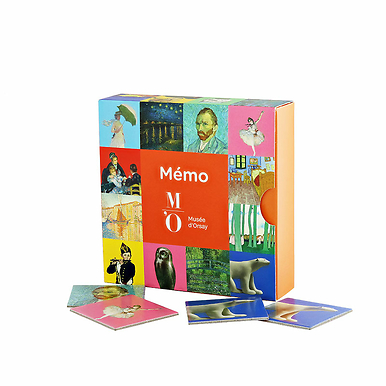
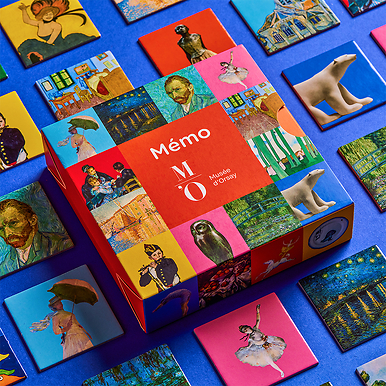
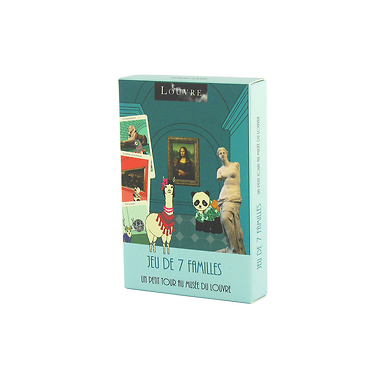
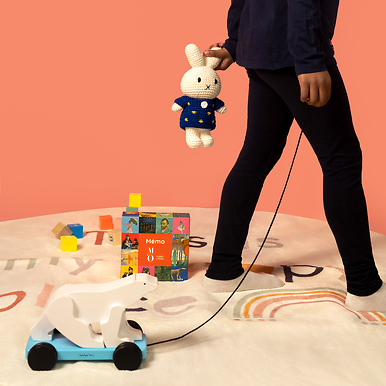
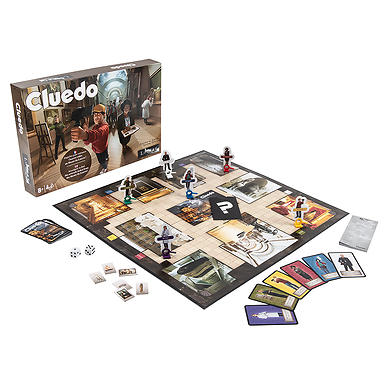
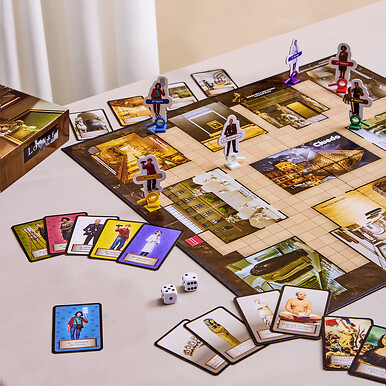
Discover the world's greatest museums and their collections, inviting young and grownups to enjoy.
Contemporary Engravings

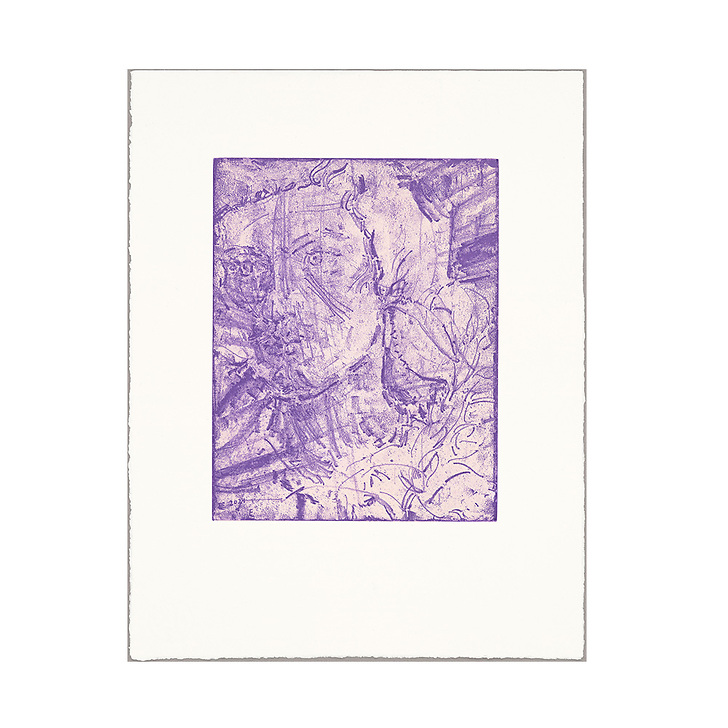
Engraving The Friend (from a work by Titien) - Elizabeth Peyton

KM011493
Elizabeth Peyton's revelation as an artist came when she discovered the works in the Louvre through books. One of her first fascinations was Titian's Man with a Glove (1520-1522), one of the most famous paintings by the Venetian master.

The spontaneous process of using soft varnish, known as "à la manière de crayon", enabled him to draw freely through paper directly onto the varnish of the metal plate. This direct, unrepentant technique offers an element of randomness to the creative process, which Elizabeth Peyton welcomed as a creative opportunity for this intimate portrait.

A subtle, bold palette of colours reveals the strength of the features, helps to capture the expression, and adds depth to the composition. The result is a figurative print of great graphic sensitivity, with a masterful technique of expression and quick, sharp strokes.

L'Ami (after Titian) by Elizabeth Peyton is a magnetic, timeless portrait, tinged with a modern sensibility, reflecting a precise, tender and intimate moment that gives L'Homme au gant a contemporary face and recalls the ancestral skills of the craftsmen of the Atelier de chalcographie du GrandPalaisRmn.

Essentials
See essentials

Our sales team is available to assist you

Please contact us for any questions about product availability, customization, specific production, or anything else:

Contact form pro.boutiquesdemusees@grandpalaisrmn.fr